How to Choose the Right Custom Suit for Your Lifestyle
A practical guide to choosing a custom suit that fits your work, occasions, climate and personal style.

Choosing a custom suit is not only about selecting a colour or fabric. The right suit should fit your body, suit the way you live and work, and feel appropriate for the occasions where you plan to wear it.
A business suit, wedding suit and evening suit can all look refined, but each serves a different purpose. Understanding those differences makes it easier to choose a garment you will actually wear and enjoy.
This guide explains the main decisions to consider before ordering a custom suit
Start With the Purpose of the Suit
Before choosing a fabric or colour, decide where the suit will be worn most often.
For business, versatility is usually the priority. Navy, charcoal and medium grey work well because they can be paired with a wide range of shirts, shoes and accessories.
For weddings and special occasions, there is more room to explore richer colours, textures or a more distinctive silhouette.
If you want one suit that can work across meetings, dinners and events, choose something polished but not overly formal.
The purpose of the garment should guide the rest of the decisions.
Choose a Fit That Works for You
A custom suit should follow your proportions without feeling restrictive.
The jacket should sit cleanly through the shoulders and chest, while the trousers should fall naturally without excessive pulling or fabric.
Fit is also a matter of preference. Some clients prefer a closer silhouette, while others want more room and movement.
A good fit considers posture, balance and proportions rather than relying only on standard measurements.
Select Fabric for Comfort and Use
Fabric has a major influence on how a suit feels and performs.
Medium-weight wool is a versatile choice for regular business wear because it offers structure, drape and year-round usability.
For warmer months, lighter wool, linen blends and breathable fabrics can be more comfortable. During colder Canadian weather, flannel and heavier cloths provide additional warmth.
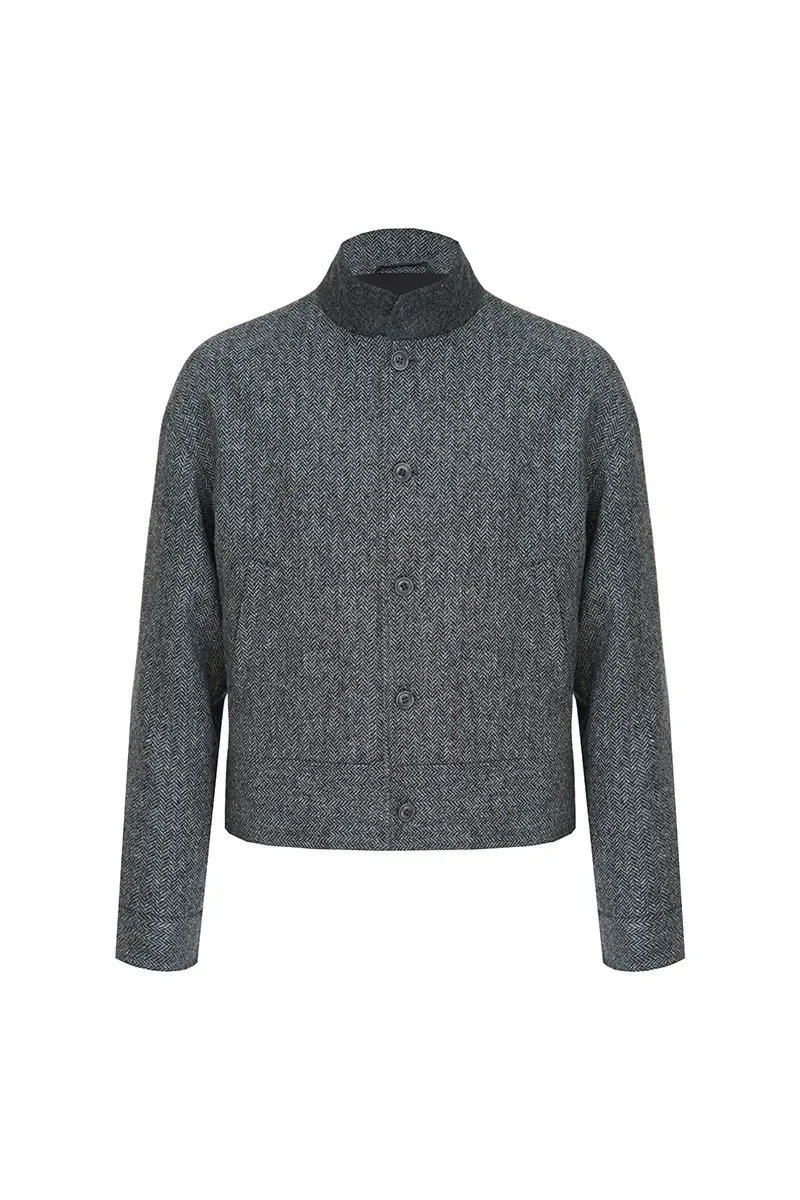
Texture matters too. Smooth worsted wool creates a cleaner, more formal appearance, while flannel, herringbone, and textured fabrics can feel softer and more relaxed.
Think About the Toronto Climate
A suit that works well in Toronto should suit the season in which you plan to wear it.
Spring and autumn allow for a wide range of mid-weight fabrics. Summer may call for lighter construction and more breathable cloth, while winter suits often benefit from warmer fabrics.
If the suit will be worn throughout the year, a versatile four-season fabric is usually more practical than something designed for only one temperature range.
Choose a Colour You Will Actually Wear
The most useful colour is usually the one that works with the rest of your wardrobe.
Navy is a strong first choice because it works for business, weddings and many social occasions.
Charcoal is slightly more formal and works particularly well in professional settings.
Medium grey is easy to pair with a variety of shirts, shoes, and outerwear.
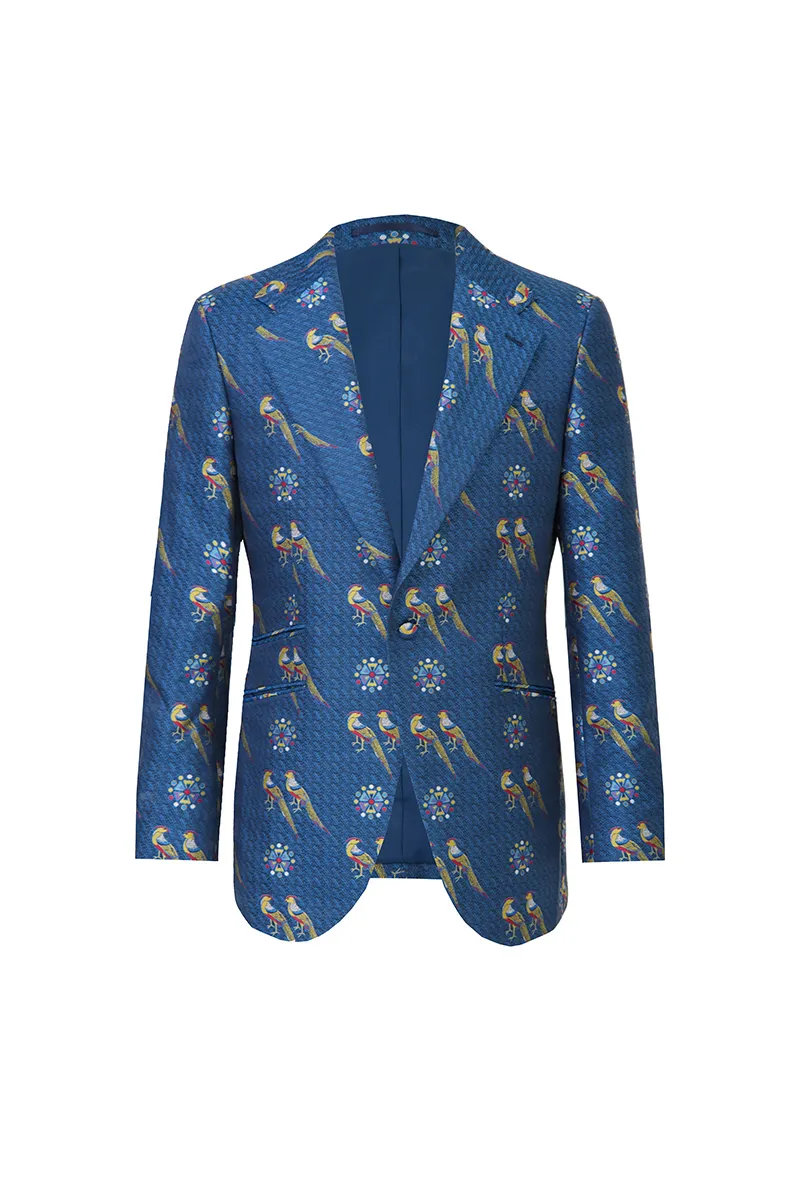
Once the basic colours are covered, deeper blues, browns, greens or subtle patterns can bring more personality to a tailored wardrobe.
Consider Single-Breasted or Double-Breasted
Single-breasted suits are generally the most versatile.
They can move easily between professional, social and formal settings and work with a wide variety of body types and personal styles.
Double-breasted suits have a more defined visual presence and can create a stronger, more structured look.
The choice should depend on your proportions, style preferences and how often you expect to wear the suit.
Keep Custom Details Purposeful
Custom tailoring allows you to personalise the garment, but every detail does not need to stand out.
Choices such as lapel style, pockets, buttons and trouser finishing should support the overall character of the suit.
For example, a simple business suit may benefit from understated details, while an occasion suit can carry slightly more personality.
The goal is consistency rather than adding as many options as possible.
Think About What You Already Own
A new suit should work with your existing wardrobe.
Consider the shirts, shoes, knitwear and outerwear you already use. A versatile suit becomes more valuable when it can be combined easily with pieces you already own.
If you already have several navy and charcoal suits, a textured or seasonal fabric may add more variety.
If this is your first custom suit, starting with a flexible colour and fabric usually makes more sense.
Match the Suit to the Occasion
The level of formality should influence the final choice.
For business, clean fabrics and restrained colours are usually appropriate.
For weddings, consider the venue, season and time of day. A summer daytime wedding may suit a lighter fabric and softer colour, while an evening event can support darker tones and more formal styling.
For black-tie occasions, a tuxedo is usually more appropriate than a standard suit.
Do Not Overlook Comfort
A suit should look refined, but it also needs to be comfortable enough to wear for several hours.
Fabric weight, trouser rise, jacket length and overall ease affect how the garment feels throughout the day.
This is particularly important if you travel frequently, sit for long periods or wear tailored clothing as part of your everyday work.
Comfort should be considered from the beginning rather than treated as a final adjustment.
A Practical Choice for Your First Custom Suit
For a first custom suit, versatility is usually more useful than novelty.
A navy or charcoal single-breasted suit in a medium-weight fabric can work across professional meetings, weddings, dinners and other occasions.
Once that foundation is covered, future suits can explore different textures, colours and seasonal fabrics.
Building a tailored wardrobe gradually often leads to more useful choices.
What to Discuss at Your Appointment
Before your consultation, think about:
• Where you will wear the suit
• How often you expect to use it
• The season
• Your preferred fit
• Colours already in your wardrobe
• Whether it is for work, a wedding or another event
• Any comfort or movement requirements
These points give your tailor a clearer understanding of what the garment needs to do for you.
Final Thoughts
The right custom suit should make sense for your lifestyle.
Rather than focusing only on fabric labels or decorative details, start with purpose, fit, comfort and versatility. When those elements are right, the suit becomes easier to wear and easier to combine with the rest of your wardrobe.
For clients looking for custom suits in Toronto, SARTO offers private consultations for measurements, fabric selection and fit guidance.
BOOK YOUR SARTO APPOINTMENT